Breaking News: Historic Virginia City wild horses going to auction October 24

Protect Mustangs (Photo by Cat Kindsfather)

Iconic wild horses will need adopters

Famous for the classic TV series, Bonzanza, Virginia City’s wild horses have been trapped and are being processed to be sold at an auction frequented by kill-buyers.

On Oct 24th, twenty-nine Virginia Range wild horses are going to be sold by the State of Nevada at the Fallon Livestock Auction.

Historic Virginia Range wild horses are loosing their freedom due to urban sprawl. Wild horses create biodiversity on the range and reduce fuel for wildfires.

“Nevada has a four legged goldmine but they don’t realize it,” states Anne Novak, executive director of Protect Mustangs. “These native grazers reduce the fuel for multimillion dollar wildfires. Tourists from around the world love taking photographs of historic wild horses living in freedom–living symbols of the wild West. We hope Nevada will get hip to their assets on the range and stop selling them off to the highest bidder.”

Hidden Valley Wild Horse Protection Fund will spearhead the rescue lead by Shannon Windle. Protect Mustangs will lend their support to help save the historic wild horses from going to slaughter for human consumption.

Last month 53 Virginia Range wild horses were trapped and sent to the auction. All the horses were rescued thanks to a huge team effort Lead by Hidden Valley Wild Horse Protection Fund with Protect Mustangs, Let ‘Em Run, American Wild Horse Preservation Campaign, Least Resistance Training Concepts, HorsePower, Starlight Sanctuary, other groups and individuals around the world.

Read about it in New Zealand’s Horsetalk and Australia’s HorseYard.

Adoption information is here. Contact Anne@ProtectMustangs.org if you want to adopt a wild horse or two.

Contact Governor Sandoval if you don’t like Nevada removing indigenous wild horses and selling them at an auction with kill-buyers. Let them know if you are from out of state or out of the country because Nevada seems to care about tourism.

Politely ask Governor Sandoval to step in–to stop the removals and the sales. Ask him to RELOCATE all the wild horses who have been trapped already by the Nevada Department of Agriculture (NDOA) and bring them food and water if needed on the range.

Contact the Governor here:

Governor Sandoval
Tel: 775-684-5670
fax: 775-6845683

Emails can be sent via this link.
http://gov.nv.gov/contact/governor/

Donations may be sent directly to Hidden Valley Wild Horse Protection Fund.

Links of interest:

Horsetalk reports: Charities pay three times the going rate for wild horses

HorseYard reports: Horse lovers unite to save Nevada’s wild horses from kill buyers

Notice of sale from the Nevada Department of Agriculture:

29 VIRGINIA RANGE HORSES from Virginia City, Nevada

NOTICE OF ESTRAY ANIMALS

AS PER N.R.S. 569.070 NOTICE IS HEREBY GIVEN that the following described animal(s) have been taken up as an Estray Animal(s) VRE Horses #1898, 1899, 1900, 1901, 1902, 1903, 1904, 1905, 1906, 1907, 1908, 1909, 1910, 1911, 1912, 1913, 1914, 1915, 1916, 1917, 1918, 1919, 1920, 1921, 1922, 1923, 1924, 1925, and 1926. The

Estray Horses were captured in Virgina City, in Storey County. The described animals are being held at The Nevada Prison Ranch, 5500 Synder Ave., Carson City, Nv. The Estray Stallions 1 year and older will be gelded prior to placement.Estray #1898 VRE Bay Stud
5 years

Estray # 1899 VRE Bay Stud
4 years

Estray #1900 VRE Bay Stud
Offset star
4 year

Estray #1901 VRE Bay Stud
2 years

Estray #1902 VRE Black Mare
5 year

Estray #1903 VRE Bay Stud
Star, LH & RH socks, LF pastern
6 months

Estray #1904 VRE Bay Mare
Star LH coronet
5 years

Estray #1905 VRE Bay Stud
Star, RH pastern, LF coronet
2 years

Estray #1906 VRE Bay Mare
RH coronet
8 years

Estray #1907 VRE Bay Stud
Large star and snip, RH &LH pastern
10 months

Estray #1908 VRE Black Mare
Small star and snip, RH & LH socks
10 years

Estray # 1909 VRE Bay Mare
Small star
7 years

Estray #1910 VRE Bay Stud
Small star, LH & RH pastern
5 years

Estray #1911 VRE Bay Mare
Star, RH stocking
8 years

Estray #1912 VRE Bay Stud
3 years

Estray #1913 VRE Bay Stud
2 years

Estray #1914 VRE Bay Mare
Star,short strip, large snip LH &RH stockings, LF coronet
4 years

Estray #1915 VRE Bay Mare
Star, RH pastern, LH coronet
5 years

Estray #1916 VRE Bay Mare
7 years

Estray #1917 VRE Sorrel Mare
Star, strip, and snip
10 years

Estray # 1918 Bay Stud
RH coronet
1 year

Estray #1919 Bay Filly
Strip
4 months

Estray #1920 VRE Bay Stud
Star, snip, RH sock
2 years

Estray #1921 VRE Bay Stud
Large star, offset snip
1 year

Estray #1922 VRE Appaloosa Mare
5 years

Estray #1923 VRE Bay Mare
2 years

Estray #1924 VRE Bay Stud
Snip
4 years

Estray #1925 VRE Bay Filly
4 months

Estray #1926 VRE Bay Stud
Star, RH pastern
1 year

AS PER N.R.S. 569.080, if an estray animal is not claimed within 5 working days after the last publication of the advertisement, as required before sale or placement, said animal (s) will be available for sale or placement by the Division of Livestock Identification on Wednesday, October 24, 2012, at the Nevada Livestock Market, Fallon, NV.

NEVADA DEPARTMENT OF AGRICULTURE
4780 East Idaho Street
Elko, Nevada 89801
1-775-738-8076

First four Virginia Range wild horses move to Colorado

Nevada’s historic wild horses arrive safe and sound

Virginia Range wild horses Brittany and Spencer arrive in Colorado 2012 Photo curtesy HVWHPF


Virginia Range wild horses Jesse & JJ arrive in Colorado Photo curtesy HVWHPF

Thanks to everyone’s participation to save 53 Virginia Range wild horses from being sold to possible slaughter!

23 wild horses have been adopted, they are waiting to have their Coggins tests and be shipped out.

30 wild horses need their forever homes. Please help if you can.

Adoption applications are on Hidden Valley Wild Horse Protection Fund’s page.

Press Release: Protests to stop roundups and sales to kill buyers

(Photo © Cat Kindsfather, all rights reserved)

For immediate release

Call for peaceful protests to stop the roundups and stop the BLM from selling federally protected wild horses to kill-buyers

American public outraged at cruel ‘management’

WASHINGTON (October 6, 2012)–Protect Mustangs announced on Facebook Friday their call for nationwide protests to stop the roundups and stop the Bureau of Land Management (BLM) from selling federally protected indigenous wild horses to kill buyers.

“We are calling for peaceful protests as well as candlelight vigils so no more wild horses will die from roundups, be tortured by the helicopters or sold to kill buyers for delicacy meat abroad,” states Anne Novak, executive director for California based Protect Mustangs “The public is outraged.”

Last week ProPublica exposed the BLM selling at least 1,700 federally protected wild horses to known pro-slaughter buyer, Tom Davis, and the public is furious. The BLM is charged with managing and protecting wild horses–not selling them for $10 a head to a pro-slaughter middle man to reduce the numbers in holding due to years of fiscally irresponsible roundups.

“Members of the public who are active in their communities must let their friends, family and neighbors know they can contact Congress if they don’t like their tax dollars used to fund cruel roundups,” says Tami Hottes, Protect Mustangs’ outreach coordinator for the Midwest and South. “People are upset to learn about the BLM selling all those historic wild horses to a guy like Tom Davis. It’s disgusting.”

This week the Antelope roundup, in northeastern Nevada, started under the pretense of saving the wild horses from a drought stricken area.

“We are concerned the BLM is jumping on the drought opportunity to zero out herds for industrialization of public land–especially massive energy projects that could pollute the water,” explains Novak. “Our indigenous wild horses are environmental barometers. If they die from drinking the water then that’s a red flag something is poisoning the water out there.”

Novak continues,”If there is a real problem on the range then bring them aid in the field–don’t round them up and warehouse them at taxpayer expense. It won’t cost much to bring them hay and water for a few months to get them through a difficult time.”

In watching videos from the roundup it should be pointed out that these wild horses were actually in excellent shape and there is no sign they have been suffering from lack of water or forage this summer. They are efficient browsers.

Even though the BLM announced last spring they would bait trap, they are not keeping their word to the American public. The BLM continues with cruel helicopter roundups.

The contractor has been criticized in the past for deadly incidents that could have been prevented. Despite objections from advocates and members of the public, the BLM continues to hire the contractor.

At the Antelope roundup advocates from The American Wild Horse Preservation Campaign (AWHPC) recorded videos showing healthy horses stampeded into traps, foals terrorized by choppers and a terrified stallion jumping out of the capture corral breaking his leg and running away. He was then euthanized by the BLM.

During the roundup wild horses were traumatized with whips and a wild mare broke her neck and died in transport.

If these historic wild horses had not been rounded up surely they would be alive with their families roaming in the West.

Outraged members of the public are calling BLM officials requesting the roundups stop. Officials downplay the cruelty and trauma, claiming these were rare incidents and touting that roundups, also known as “gathers”, only have a 1% death rate.

“We disagree with their whittled down death rate,” states Novak. “For years we have caught the BLM avoiding the correct death count and misleading Congress about the true number of horses painfully dying in roundups. During winter 2010 more than 180 wild horses died or were euthanized as a result of the roundup but the BLM tried to rewrite the numbers.”

The federal agency, funded by Congress to manage wild horses and burros, attributes the gross majority of roundup deaths to pre-existing conditions when they are obviously roundup related. If the horses weren’t rounded up they surely would not have died at that time.

The BLM often kills indigenous wild horses for being “old” and claims it was a pre-existing condition. They also kill baby horses claiming they have leg deformities. The foals can’t tolerate being stampeded for many miles on their undeveloped baby feet and legs and suffer severe injuries and are euthanized. BLM resists taking responsibility for their heinous actions.

At roundups since 2009, advocates as well as members of the press and public have been pushed back from the trap site and the holding corrals. It appears the BLM wants to hide the cruel roundups and injured animals from public view.

“The Wild Horse and Burro Program avoids transparency because of their disgusting secrets,” states Novak. “The public has a right to know what’s happening at roundups and afterwards. The public wants to know how many federally protected wild horses have been sold to the slaughter middle men since 2005.”

In 2004, a stealth rider known as the Burns amendment was attached to the Congressional Appropriations Bill to allow unlimited sales of captive wild horses over the age of ten or those who have been presented at adoption venues (live or Internet) three times–even pregnant mares and one-year-olds called yearlings.

The recent ProPublica article, written by Dave Phillips, highlights a corrupt program and interviews a pro-slaughter middle man. According to ProPublica, ‘Tom Davis buys 100s of mustangs at a time, sight unseen, for $10 a head. BLM has sold him more than 1,700 wild horses and burros since 2009.

“Hell, some of the finest meat you will ever eat is a fat yearling colt,” he says.

“. . . but BLM’s Sally Spencer said it would be unfair for BLM to look more closely at him based on the volume of his purchases. “It’s no good to just stir up rumors,” she said.’

In 1997 Associated Press investigative journalist, Martha Mendoza, uncovered BLM’s internal corruption wherein adopted wild horses were quickly being sold to slaughter even by BLM employees who adopted them.

‘A multimillion-dollar federal program created to save the lives of wild horses instead is channeling them by the thousands to slaughterhouses where they are chopped into cuts of meat.

Among those profiting from the slaughter are employees of the Bureau of Land Management, the federal agency that administers the program.’

Mendoza’s Freedom of Information Act (FOIA) research and the story she exposed, forced the adoption program to change their protocol and only give title to the mustangs after one year to prevent the wild horses from being sold into the slaughter pipeline.

Today the BLM sends America’s living treasures to slaughter by selling them to the middle men who sell them to slaughter. Protect Mustangs asks Congress for a freeze on roundups, a freeze on sales and a full investigation into the ‘sale authority program’ since 2005.

The roundups ramped up in 2009 with the stimulus package push for the New Energy Frontier on public land and a new mandate to wipe out the wild herds of the West known as The Salazar Plan.

Despite nationwide protests in 2009-10 against the Secretary of the Interior’s plan, the majority of wild horses and burros were ripped from their family bands, taken off their land and the stallions were sterilized. President Obama ignored public outcry and Congress eventually fell for the BLM pleas for funding to ‘help the wild horses’.

In 2010, 54 members of Congress joined Congressman Raul Grijalva requesting a moratorium on roundups and a National Academy of Science (NAS) investigation into the broken program. Somehow the BLM has taken charge of the NAS investigation now called a “study” and is feeding the NAS the information instead of the Academy conducting independent research.

Today more than 52,000 wild horses and burros are living in captivity–mostly in the Midwest as specified in the Salazar Plan. Last year the controversial Wild Horse and Burro Program cost the American taxpayer 78 million dollars. Next year the cost will increase.

Protect Mustangs requests that Congress work with advocates to find a way to return wild horses to their wild lands in the West–to create biodiversity on the range–a win-win for wild horses, livestock, landowners, tourism and energy development on the New Energy Frontier. Their presence also helps greatly to reduce wildfires.

“Shrinking the numbers of wild horses left on public land today could be dangerous,” explains Kerry Becklund, director of outreach for Protect Mustangs. “Giving already small herds fertility control will ruin genetic viability and could create inbreeding.”

The BLM’s reproduction rates don’t account much for mortality within the herd. Often foals don’t live to be two years old but the BLM spin on population has them multiplying like rabbits.

Studies show predators such as mountain lions and coyotes reduce the wild horse foal population. Last summer several young foals were killed by coyotes at a BLM holding facility near Sparks, Nevada. Even so, the BLM hides the truth about predators reducing the population and continues to repeat they have no natural predators despite the fact they do.

“Show me a real independent headcount before we talk about fertility control,”says Novak. “There aren’t enough wild horses left on the range any more. The truth is that the BLM will continue to roundup wild horses to treat them with fertility control. Roundups have been deadly so far. Roundups are NOT the answer. Biodiversity is the answer.”

Novak continues, “More than 52,000 indigenous wild horses have been captured and are warehoused in government holding. Selling ‘excess’ wild horses to kill-buyers is a heinous act and must stop now as well as the gluttony of roundups”

# # #

Media Contacts:

Anne Novak, 415-531-8454, Anne@ProtectMustangs.org

Kerry Becklund, 510-502-1913, Kerry@ProtectMustangs.org

Links of interest:

AP reports & Protect Mustangs speaks out against the roundups: 3,500 Wild horses going to loose their freedom starting October 1st Federal roundup of wild horses burros starts today http://www.lvrj.com/news/federal-roundup-for-wild-horses-burros-starts-today-172056591.html

ProPublica reports: All the missing horses: What happened to the wild horses Tom Davis bought from the government  http://www.propublica.org/article/missing-what-happened-to-wild-horses-tom-davis-bought-from-the-govt

Brutal report for day 1 of Nevada’s Antelope roundup. Two horses die. AWHPC video. http://www.youtube.com/watch?v=ne3ppBnbr7g&feature=youtu.be

Day 3 of Antelope roundup. Foals are terrorized by the helicopter and chased too long on their tender hooves. AWHPC video. http://www.youtube.com/watch?v=-N9LDAwZqyU&feature=youtu.be

Buffalo News (January 5, 1997) US effort to save wild horses leads thousands to slaughter as workers profit by Martha Mendoza http://nl.newsbank.com/nl-search/we/Archives?p_product=BN&p_theme=bn&p_action=search&p_maxdocs=200&p_topdoc=1&p_text_direct-0=0EAF99E45C1DF5CF&p_field_direct-0=document_id&p_perpage=10&p_sort=YMD_date:D&s_trackval=GooglePM

The Burns amendment http://en.wikipedia.org/wiki/Conrad_Burns#The_Burns_Amendment

Huffington Post (October 17, 2009) Ken Salazar’s wild horse plan fuels accusations that he’s in the pocket of ranchers by Martin Griffith http://www.huffingtonpost.com/2009/10/17/ken-salazars-wild-horse-p_n_324799.html

News 4 KRNV Reno BLM selling to kill buyer? http://www.mynews4.com/news/local/story/BLM-selling-to-a-kill-buyer/s7svkl_zd0i1NVKHbd0ceA.cspx

Oct 5th Facebook announcement~Call to Stop the Roundups: https://www.facebook.com/photo.php?fbid=418628774862814&set=a.240625045996522.58710.233633560029004&type=1&theater

Protect Mustangs on the web http://www.ProtectMustangs.org
 

The public is invited to the Wild Horse & Burro Advisory Board meeting October 29-30 in Salt Lake

BLM Sets Meeting of National Wild Horse and Burro Advisory Board for October 29-30 in Salt Lake City

The Bureau of Land Management’s National Wild Horse and Burro Advisory Board will meet in October in Salt Lake City to discuss issues relating to the management, protection, and control of wild horses and burros on Western public rangelands. The day-and-a-half meeting will take place on Monday, October 29, from 8 a.m. to 5 p.m. and Tuesday, October 30, from 8 a.m. to 12 p.m., local time.
The meeting will take place at the Radisson Hotel Salt Lake City Downtown at 215 West South Temple. The hotel phone number for reservations is 801-531-7500 or 1-800-333-3333.  The agenda of the meeting can be found in the September 24, 2012, Federal Register (http://www.gpo.gov/fdsys/pkg/FR-2012-09-24/pdf/2012-23472.pdf).
The Advisory Board provides input and advice to the BLM as it carries out its responsibilities under the 1971 Wild Free-Roaming Horses and Burros Act. The law mandates the protection, management, and control of these free-roaming animals in a manner that ensures healthy herds at levels consistent with the land’s capacity to support them.  According to the BLM’s latest official estimate, approximately 37,300 wild horses and burros roam on BLM-managed rangelands in 10 Western states.
The public may address the Advisory Board on Monday, October 29, at 3:30 p.m., local time.  Individuals who want to make a statement at the Monday meeting should register with the BLM by 2 p.m., local time, on that same day at the meeting site.  Depending on the number of speakers, the Board may limit the length of presentations, set at three minutes for previous meetings.
Speakers should submit a written copy of their statement to the BLM at the addresses below or bring a copy to the meeting.  There may be a Webcam present during the entire meeting and individual comments may be recorded.  Those who would like to comment but are unable to attend may submit a written statement to: Bureau of Land Management, National Wild Horse and Burro Program, WO-260, Attention: Ramona DeLorme, 1340 Financial Boulevard, Reno, Nevada, 89502-7147. Comments may also be e-mailed to the BLM at wildhorse@blm.gov .
For additional information regarding the meeting, please contact Ramona DeLorme, Wild Horse and Burro Administrative Assistant, at 775-861-6583.  Individuals who use a telecommunications device for the deaf (TDD) may reach Ms. DeLorme during normal business hours by calling the Federal Information Relay Service at 1-800-877-8339.
The Advisory Board meets at least once a year and the BLM Director may call additional meetings when necessary.  Members serve without salary, but are reimbursed for travel and per diem expenses according to government travel regulations.
The BLM manages more than 245 million acres of public land, the most of any Federal agency. This land, known as the National System of Public Lands, is primarily located in 12 Western states, including Alaska. The BLM also administers 700 million acres of sub-surface mineral estate throughout the nation. In Fiscal Year (FY) 2011, recreational and other activities on BLM-managed land contributed more than $130 billion to the U.S. economy and supported more than 600,000 American jobs. The Bureau is also one of a handful of agencies that collects more revenue than it spends. In FY 2012, nearly $5.7 billion will be generated on lands managed by the BLM, which operates on a $1.1 billion budget. The BLM’s multiple-use mission is to sustain the health and productivity of the public lands for the use and enjoyment of present and future generations. The Bureau accomplishes this by managing such activities as outdoor recreation, livestock grazing, mineral development, and energy production, and by conserving natural, historical, cultural, and other resources on public lands.
–BLM–

Wild horses sold to middle men for slaughter

Wild mustang weanling in holding. (Photos © Anne Novak, all rights reserved.)

“We request a freeze on all roundups until Congress can investigate and stop the BLM from selling wild horses by the hundreds to alleged kill-buyers,” states Anne Novak, executive director for Protect Mustangs. “Internal corruption needs to be flushed out fast.”


Today the press revealed a man who has purchased at least 1,700 wild horses from the Bureau of Land Management’s (BLM) Wild Horse and Burro Program for $10 a piece. Dave Phillips reports in ProPublica, All the missing horses: What happened to the wild horses Tom Davis bought from the government?  It appears that the BLM is selling healthy indigenous wild horses to a known pro-slaughter kill-buyer to dispose of our living legends.

This needs to stop now.

Here are some articles providing some background about the BLM’s heinous wild horse traffic to slaughter . . . America’s living legends, betrayed by those entrusted to protect them under the 1971 Free Roaming Wild Horse and Burro Protection Act.

National Geographic (May 5, 2005) Wild Horses Sold by U.S. Agency Sent to Slaughter http://bit.ly/IaLgoA

The agency’s mission changed in December, when Congress passed a bill that made it legal for the BLM to sell wild horses outright . . .

Since December the BLM has sold about a thousand wild horses under the new rules. The slaughtered horses were originally sold to the Rosebud Sioux Indians in South Dakota and to an unnamed Oklahoma man who said he wanted the horses for a church youth program.

The Sioux group bought 105 wild horses at a dollar apiece, then traded 87 of them to a horse broker, who sold some of the horses for slaughter. The Oklahoma man bought six at $50 apiece, according to the BLM. Slaughterhouses are known to pay hundreds of dollars for a horse.


Christian Science Monitor and cross-posted by The Seattle Times (March 2, 2005) Law allows slaughter of wild horses for meat  by Brad Knickerbocker http://bit.ly/K8DWIF

Now, a law signed by President Bush will allow the slaughter and export of horse meat form thousands of wild horses. Horse lovers are urgins reversal of the measure, which slipped into a recent federal appropriations bill by Sen. Conrad Burns, R-Mont.


Chicago Tribune (Dec, 12, 2001) Adopted wild horses are still being slaughtered by Robert Gehrke http://bit.ly/IcWL2g story went viral

WASHINTON–Wild horses put up for adoption by the Bureau of Land Management continue to be slaughtered, in some cases within weeks of he owner gaining title to the animal, according to the latest BLM records.

The quick turnaround has critics questioning how aggressively BLM is enforcing a rule requiring adopters to swear that they don’t plan to sell the horse to slaughter.

‘Not only is the BLM not actually prosecuting people, but they’re not even doing the investigation to try to figure it out and it seems like they don’t want to know,’ said Howard Crystal, an attorney for the Fund for Animals, whose lawsuit led to the no-slaughter clause.

The Desert News (Dec. 12, 2001) Rules are not preventing slaughter of wild horses by Robert Gehrke http://bit.ly/IMYibB

The Deseret News (August 18, 1999)  Wild horses are going to slaughter, BLM says http://bit.ly/IMiyKq

Adopted wild horses are being slaughtered for meat or pet food at a rate that could top five per week, according to an employee of the Bureau of Land Management.BLM wild horse expert Lilly Thomas said once-wild horses adopted from agency land are being slaughtered at four major packinghouses. Speaking this week at a meeting of the National Wild Horse and Burro Advisory Board in Salt Lake City, Thomas said she based her estimate on reports from a slaughterhouse near Fort Worth, Texas,…


Buffalo News (January 5, 1997) US effort to save wild horses leads thousands to slaughter as workers profit by Martha Mendoza http://bit.ly/IMb3Dn

A multimillion-dollar federal program created to save the lives of wild horses instead is channeling them by the thousands to slaughterhouses where they are chopped into cuts of meat.

Among those profiting from the slaughter are employees of the Bureau of Land Management, the federal agency that administers the program.

AP viral story (January 4, 1997)  Program to protect wild horses often funnels them to slaughter by Martha Mendoza http://bit.ly/IhtEds

NY Times (Jan 29, 1997) Report Acknowledges Wild Horses Are Being Slaughtered http://nyti.ms/IwGF1x

The Spokesman Review (December 12, 1986) Wild horses being sent to slaughter http://bit.ly/IatqoK

HELENA — The Bureau of Land Management has been shipping hundreds of horses to Montana ranchers under the government’s “adopt-a-horse” program, and some are going to slaughter, one of the ranchers says.

Since 1985, more than 1,800 horses rounded up on government land in Nevada and other states have been shipped to ranchers in eastern Montana’s Yellowstone Valley, according to figures supplied by BLM Associate State Director Marvin Lenoue,

Hundreds of other wild horses have been shipped to South Dakota, mostly to Indian reservations . . .

Some owners sold them to rodeos, he said and “some of those people sent them to slaughter.”

Lakeland Ledger (March 11, 1973) U.S. Probe Wild Horse Slaughter ~ story went viral http://bit.ly/Io6nC5

LA Times (March 5, 1973) Apparent Roundup of Wild Horses for Slaughter Probed http://bit.ly/JUlvvG

Federal authorities are investigating a blood-soaked cliffside in the high, remote mountains of southeastern Idaho where officials say a herd of about 60 wild horses was apparently rounded up and sold for slaughter.

Urgent donations, foster homes and adopters needed for historic mustangs or kill buyers will get them

Captured wild horses Nevada Jan 2012 (Photo © Anne Novak, all rights reserved.)

Wild Horse Annie’s horses are being pushed through the livestock auction again next Wednesday September 26th in Fallon, Nevada.

Update 10:30 p.m.

“Miracles are happening. Hidden Valley has found a large pasture for the 25 wild horses for tomorrow as a very, very temporary holding area. Thank heavens.” ~Anne Novak


Update 6:00 p.m.

News 4 Reno aired Hidden Valley Wild Horse Protection Fund’s call for help here.

Update at 5:50 p.m. Tuesday September 25, 2012:

“I just got off the phone with Shannon Windle, President of Hidden Valley Wild Horse Protection Fund. She’s still at her 9-5 job and told me that only $13,000 has been raised so far to buy the horses but that’s not enough to house them.

She will look into other donations coming in when she gets home from her day job. I have heard other groups are raising money for this and we are so grateful that everyone is helping save these wild horses.

We have been looking for solutions because the foster care pens are maxed out and it’s hard to find people with 6 foot fencing to hold in the wild ones. She decided that getting panels to build more corrals is a good solution. So Hidden Valley is raising money for the corral panels and looking for horse people with extra space who are willing to foster Wild Horse Annie’s beloved Virginia Range horses. Hidden Valley will provide the corrals, feed and is responsible for vet care, etc.

Tomorrow is the auction. Hidden Valley cannot save the wild horses from the kill-buyers if they don’t have the money to purchase them and if they don’t have a place to put them. Pray for miracles and take action to save these historic wild horses.”

In gratitude,

Anne Novak

Executive Director for Protect Mustangs


Check back for upates


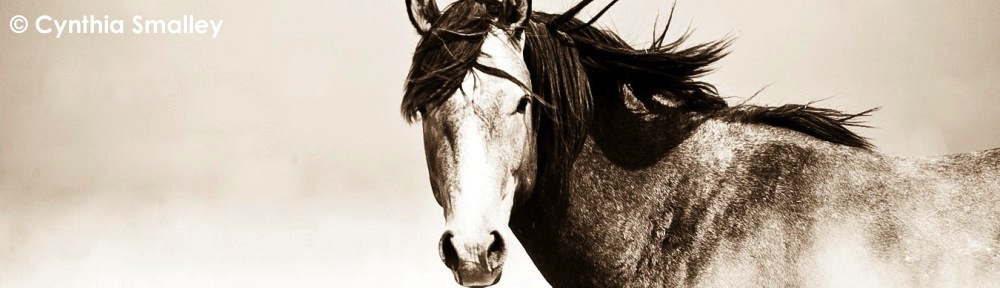
Wild War Horse (Photo © Cynthia Smalley, all rights reserved.)

Update from Sunday September 23, 2012

“It’s 10:30 p.m. Sunday night and I just finished talking with Shannon Windle, president of Hidden Valley Wild Horse Protection Fund. She told me they only have $3,300. in donations to buy the 25 wild horses next Wednesday September 26th. Last week they paid $11,000. for 23 wild horses. If the money isn’t raised they can’t buy the horses. Please help save these horses from the kill-buyers. Please donate and save a life.” ~Anne Novak, executive director of Protect Mustangs

Hidden Valley Wild Horse Protection Fund was prepared financially to save the first South Reno 23 but their funding and foster care is maxed out so here is what we need to do:

  1. Raise money for Hidden Valley to get the South Reno 25 horses at auction, pay for feed, care and transportation
  2. Find adopters in and out of state.
  3. Send the Sept 19th wild horses to adopters ASAP
  4. Recruit new foster care for the new load coming in Wednesday
  5. Line up adopters for the Sept 26th wild horses
  6. Get hay donations to feed all these horses
  7. Get 150 MUSTANG panels to house the Sept 26th load of horses

Because the livestock auction staff likes to bid against the wild horse advocates to jack up the price and their commission, the small wild horses are going for up to 3 times the market value of a heavier horse. A mare and foal pair sold for $1000 last week.

The foster-cares are full after last week’s rescue of 23 Virginia Range horses. So we need to create solutions and build more corrals with panels to hold 25 more horses until we can adopt them out.

Mustang panels are 6 ft high and must be made of sturdy steel. We found a bulk price of $126. a piece. Hidden Valley needs 150 panels.

Let’s all chip in whatever we can and hope the auction house will be compassionate this week and not bid against us.

Laura Bell filming the Reno 23 saved by Hidden Valley Wild Horse Protection Fund on September 19, 2012 (Photo © Cat Kindsfather)

Please send your donations to save Wild Horse Annie’s horses directly to Hidden Valley Wild Horse Protection Fund: http://hiddenvalleyhorses.com/main.php?c=donate

You can also send a check/money order to:

Hidden Valley Wild Horse Protection Fund
P.O. Box 20052
Reno, NV 89515-0052

For information about donating, fostering or adopting please call:

Shannon Windle: 775-297-2955

Anne Novak: 415-531-8454

Thank you for doing what you can to help save America’s wild horses from going to slaughter.

Protect Mustangs flag designed by Robin Warren


Governor Sandoval: Stop the sale of Nevada’s wild horses to kill-buyers

Governor Brian Sandoval ~ Photo from Wikimedia Commons

Call Governor Brian Sandoval and politely let him know you want the trapping and selling of Nevada’s indigenous wild horses at auctions frequented by “kill-buyers” to STOP now.

80% of Americans are against horse slaughter.

Does he want Nevada to stay on the top of the bad list as perceived by Nevadans and everyone else?

The first auction is this Wednesday in Fallon, N.V.–a town where he once lived.

More than 22 Virginia Range wild horses from ‘The Meadow’, on the outskirts of Reno, are going to be sold by the pound. Kill-buyers will be bidding on America’s icons to sell them to slaughter for human consumption in foreign countries.

Politely ask Governor Sandoval to step in–to stop the removals and the sales. Ask him to RELOCATE all the wild horses who have been trapped already by the Nevada Department of Agriculture (NDOA) and bring them food and water if needed on the range.

Rotten development planning and urban sprawl is removing habitat from wildlife–including wild horses. Not only is the sprawl causing global warming but now it’s causing strife in communities over wild horses.

It’s the developers’ responsibility to fence out wildlife to prevent entry on their property if that is what they wish. Nevada is a “fence out” state by law.

Back in August several wild horses were taken by people connected with a development. The horses ended up at the prison where they process wild horses to go to the auction frequented by kill-buyers. Who were these people and are charges being prosecuted against them? Are they connected to the current trappings at a development now conducted by the NDOA?

Taxpayers should not pay for the NDOA to remove wild horses when the developer is not taking responsibility for putting up fencing. Nevada wants fiscal responsibility.

Land development does not need to ruin indigenous wild horse habitat, break their families apart and sell them at auctions where kill-buyers purchase horses to sell to slaughter.

We are asking for a win-win NOT for Nevada’s wild horses go to their brutal death–to slaughter.

More wild horses are needed to stop Nevada’s mega-million dollar wildfires. According to a report by CoreLogic, U.S property exposed to wildfire is valued at $136 billion.

If some wild horses do need to be brought in then the mustangs should NEVER be sold at an auction frequented by kill-buyers but should be cared for by the State of Nevada or given to sanctuaries and rescue groups. Their lives are the responsibility of the Silver State if they are not on Federal land managed by the Bureau of Land Management. We know Nevada can do the right thing.

80% of America’s population are against horse slaughter. If Governor Sandoval wants to run for President someday, then he needs to be aware that he is smearing himself by delaying taking action to stop the sale of Nevada’s beloved wild horses to kill-buyers. His character is being measured during this time of crisis.

He has an opportunity now to make history and win the endearment of 80% of Americans nationwide.

Contact the Governor here:

Governor Sandoval
Tel: 775-684-5670
fax: 775-6845683

Emails can be sent via this link.
http://gov.nv.gov/contact/governor/

Send us a copy of emails you send him. Our email is Contact@ProtectMustangs.org

Also contact Governor Sandoval on Twitter  @GovSandoval

Here is an example of wild horses not causing damage from Barbara Warner’s comment against the Sheldon Refuge wild horse wipe out:

“The 1990-91 GAO ( Government Accounting Office) study proved that horses do not over-graze or destroy riparian areas. Sheldon is still recovering from the damage that cattle have been proven to cause. Horses have flat hooves which don’t cut into the ground and constantly move as they graze. The increased population of pronghorns proves that wild horses benefit them and no doubt many other species as well.”

Here is an excellent scientific example of wild horses as native wildlife: http://protectmustangs.org/?page_id=562

Indigenous wild horse families living in peace on the Virginia Range in Nevada, January 2012. (Photo © Anne Novak, all rights reserved.)

This photo shows several Virginia Range wild horse families at ‘The Meadow’ on the outskirts of Reno.

These wild horses are loved around the world. Tourists enjoy observing them at ‘The Meadow’ and elsewhere. Eco-tourism businesses could boom taking customers on wild horse safaris. This would create jobs for Nevada.

Now the Virginia Range wild horses are being trapped, castrated and ripped apart from their families only to be sold at a series of auctions, frequented by kill-buyers in Fallon, N.V. starting September 19th, 2012 and ending around October.

As of this date, the Nevada State Department of Agriculture has trapped more than 60 indigenous wild horses–of all ages–and is planning to dispose of them by selling them at the auction frequented by kill-buyers.

Please contact Governor Sandoval and ask him to take this opportunity to make history.


Links of interest:

Governor Brian Sandoval’s website: http://gov.nv.gov/

Governor Brian Sandoval on Twitter: https://twitter.com/GovSandoval

News 4 reports: Sixteen Virgina Range wild horses captured http://www.mynews4.com/mostpopular/story/Sixteen-Virginia-Range-horses-captured/EB28hJXRfkG2koVMTe7lgQ.cspx

Nevada policy change ~ sells its wild horses by the pound: http://www.examiner.com/article/nevada-policy-change-sells-it-s-wild-horses-by-the-pound

U.S. property exposed to wildfire valued at $136 billion:  http://www.artemis.bm/blog/2012/09/17/u-s-property-exposed-to-wildfire-valued-at-136-billion-says-report/

2012 Nevada wildland fires: http://forestry.nv.gov/fire-program/2012-nevada-wildfires/

Nevada is a fence out state: Rural Fencing Rules in Nevada | eHow.com http://www.ehow.com/list_7148677_rural-fencing-rules-nevada.html#ixzz26mvCdAOj

Video of wild horses in ‘The Meadow’: http://www.youtube.com/watch?v=02I_W761f4M&feature=youtu.be


Nevada is a “fence out” state

Rural Fencing Rules in Nevada


Cross-posted from eHow
By Patricia Linn, eHow Contributor


Rural Fencing Rules in Nevada thumbnail
In Nevada, you can’t ask your neighbor to fence in his cows, you have to fence them out.

Nevada is one of many western states that are primarily comprised of “open range” land. The open range designation means that cattle, horses, sheep and other livestock are free to roam and feed over any property that is not fenced. Nevada, and other open range states, legislate “fence-out” laws that essentially say: if you don’t want other people’s livestock coming on your property, then it is your responsibility to fence your land adequately to prevent ingress. Your fencing also prevents egress for your livestock

Read more: Rural Fencing Rules in Nevada | eHow.com http://www.ehow.com/list_7148677_rural-fencing-rules-nevada.html#ixzz26mvCdAOj

Rally to STOP selling Reno’s wild horses to kill buyers ~ Friday Sept. 14 in Carson City, NV

Take Back the Power (© Protect Mustangs)

Sent: Wednesday, September 12, 2012 10:02 AM
Subject: WILD HORSE RALLY – FRIDAY, 09/14/12 – WHERE AND WHERE TO MEET

The Rally will start promptly at 11 a.m. and end at 1:00 p.m., directly in front of the Legislative Building. We will only be allowed to walk on the sidewalk and grass next to the street.  We will NOT be able to use the Legislative Building grounds to meet ahead of time. 
So, we will be staging at the vacant lot on the corner of Carson Street and Fourth Street – DIRECTLY ACROSS THE STREET FROM THE SIDEWALK CROSSING  IN FRONT OF THE LEGISLATIVE BUILDING [BIG CLOCK].
We have lots and lots of Nevada Department of of Agriculture signs already  made out.  Cat Kindsfather is making up some special signs for us to carry, at the last minute and very much appreciate her efforts on this.  I am bringing a Nevada flag, as well as our Alliance of Wild Horse Advocates Advocates big banner.
So, with that said, it’s vital we meet early enough to go over the talking points and to hand out signs.
PLEASE, ORGANIZERS OF THE EVENT – BE AT THE EMPTY LOT BY 10 A.M.
OTHER PARTICIPANTS, PLEASE BE AT THE EMPTY LOT NO LATER THAN 10:30 A.M.
Thank you all – realize the whole thing’s been a rush, but this Rally is very needed on the truth and lies about the Nevada Department of Agriculture, informing the public before the already-captured Virginia Range horses go to sale at auction on Wednesday, September 19, 2012 – SALE MEANS SLAUGHTER!

Sheldon National Wildlife Refuge in Nevada to remove all wild horses, burros within 5 years

Cross-posted from The Republic

  • MARTIN GRIFFITH  Associated Press
  • September 02, 2012 – 8:04 pm EDT

RENO, Nev. — Federal officials have approved a final management plan for the Sheldon National Wildlife Refuge in northwestern Nevada that calls for the removal of all wild horses and burros from it within five years.

The move is being made because the refuge was created for pronghorn antelope and other native wildlife, and horses and burros have a negative effect on habitat, said Joan Jewett, spokeswoman for the U.S. Fish and Wildlife Service in Portland, Ore.

“They trample the habitat and overgraze and disturb the water sources,” she told The Associated Press. “We’re required by law to manage our refuges in accordance with the purposes for which they were established, and Sheldon was primarily for pronghorn antelope.”

Horse advocacy groups sharply criticized the refuge’s comprehensive conservation plan, which will guide its management over the next 15 years. It was publicly released late last month.

They say horses and burros lived in the area long before the refuge was created in 1931, and the animals actually heal the land and help prevent wildfires through grazing.

“We are extremely disappointed that the federal government has chosen to eradicate wild horses and burros from the lands where their ancestors have lived for more than a century and a half,” Suzanne Roy, director of the American Wild Horse Preservation Campaign, said in a statement.

An aerial survey in July showed the 575,000-acre refuge along the Oregon border is home to at least 2,508 antelope, 973 mustangs and 182 wild burros, said Aaron Collins, a park ranger at Sheldon.

“We’re recording the highest numbers of pronghorn antelope since we began counting them in 1950,” he said.

Federal officials began the planning process on the refuge’s management plan in 2008, and received several thousand comments from individuals, organizations and government agencies during it, Collins said.

The final plan will be signed sometime after Sept. 24 by the regional director of the Fish and Wildlife Agency, he added.

Under federal law, only horses and burros removed from lands managed by the Bureau of Land Management and the Forest Service are protected from slaughterhouses if they can’t be adopted.

“Rounding up indigenous wild horses is wrong — especially when they can be sold to the meat buyers at auctions,” said Anne Novak of California-based Protect Mustangs. “These horses are vulnerable to ending up going to slaughter … The Sheldon plan to wipe out wild horses is nuts and goes against the public’s wishes.”

Activists said the final management plan rejected a more humane alternative to phase out horses and burros over 15 years using fertility control, an option that would have allowed unadoptable animals to live out their lives at the refuge.

(Story distributed by The Associated Press)

Link to the original article: http://www.therepublic.com/view/story/9d2599146ac04731ae3b93a918db2c59/NV–Refuge-Wild-Horses